 Leigh Graydon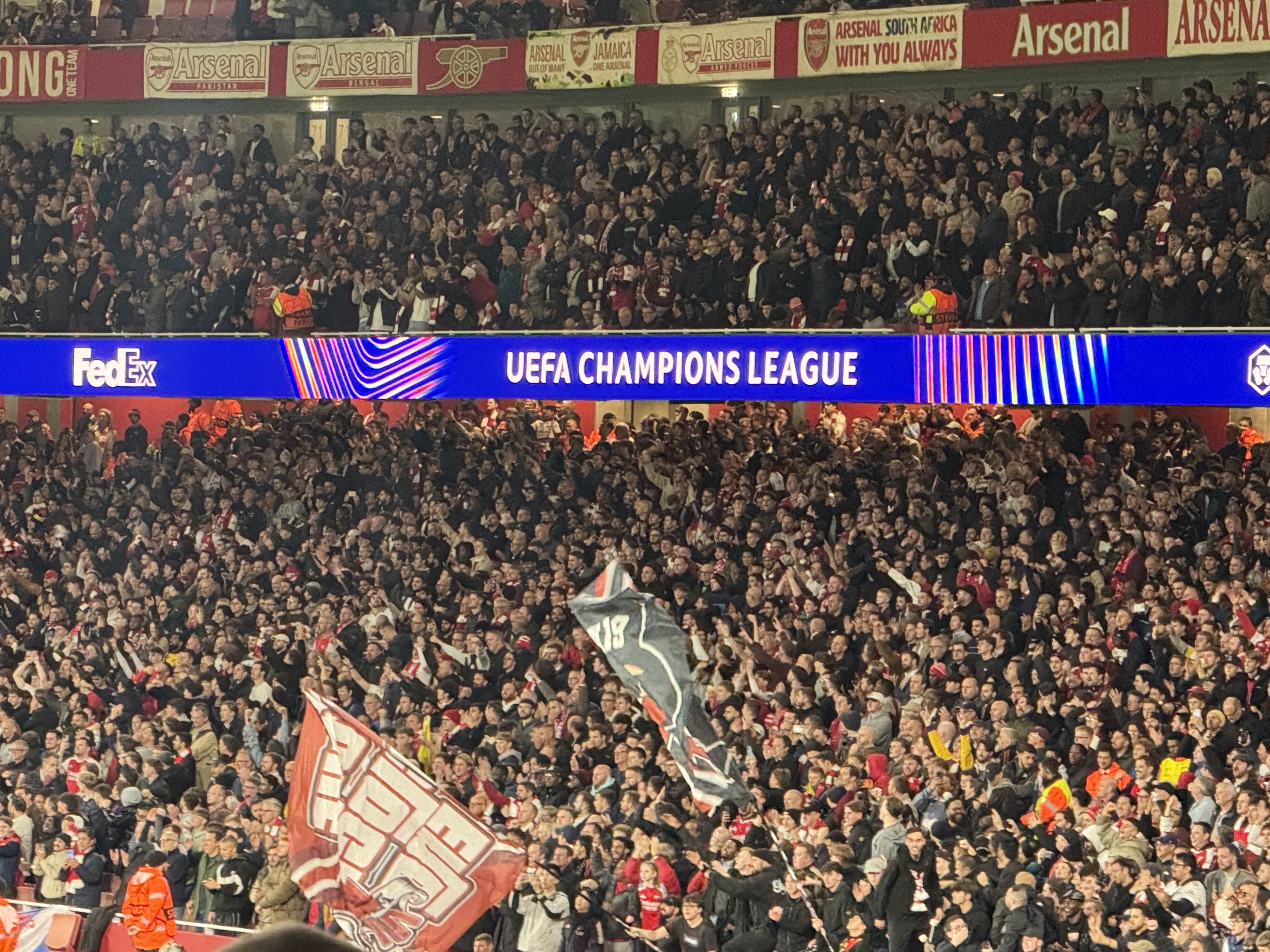
Another stunning Champions League night at the Emirates. A 4-0 demolition of a team like Atletico Madrid, with the new striker bagging a brace, is a heady feeling. It’s a reminder of what this club is capable of, a glimpse of the glory we all crave. But as the euphoria fades, a cold, hard reality sets in. In modern football, the battles won on the pitch are funded by the wars won off it.
The real arms race isn't just for the best players; it's for commercial supremacy. While we rightly celebrate every victory, the club's hierarchy is engaged in a relentless, high-stakes game against the financial might of state-backed clubs and American consortiums. And the most important battleground in that war is Asia.
For years, Arsenal has enjoyed a privileged position in the Asian market, built on the legacy of Arsène Wenger's beautiful football and a host of iconic players. But in 2025, is that legacy enough? Are we being aggressive enough, innovative enough, to not just maintain our foothold but to dominate this crucial frontier? The club's ability to compete for the Premier League and Champions League trophies may well depend on it.
From Wenger's Legacy to the Modern Commercial Battleground
Let's not forget how we got here. The brand of football played under Wenger—fluid, attacking, intelligent—resonated deeply with audiences across Asia. Players like Thierry Henry, Dennis Bergkamp, and later, Park Chu-young, helped build a massive and loyal following. The "Invincibles" weren't just a team; they were a global phenomenon.
That historical advantage is a powerful asset. But history doesn't pay the bills. Today, our rivals are pouring resources into capturing this market. We see them on pre-season tours, signing lucrative regional sponsorship deals, and flooding social media with tailored content.
Arsenal's commercial team is, of course, active. The Emirates sponsorship is a global billboard, and the club has made efforts with summer tours and digital engagement. But the question we, as fans, should be asking is: are we leading the pack, or are we just keeping pace? In a game of fine margins, "keeping pace" isn't good enough. We need to be setting the agenda.
The Unseen Engine: Fan Engagement and the Betting Ecosystem
To truly understand the scale of the Asian market, you have to look beyond shirt sales. You have to understand how the fans there live and breathe the game. For millions, their entire weekend revolves around watching the Arsenal. It’s a digital-first experience, driven by streaming services, social media, and a vibrant online community.
A huge part of this ecosystem is the sports betting culture. It's not a fringe activity; it's a mainstream part of how football is consumed. The level of interest in betting on Arsenal matches is a powerful, real-time indicator of the club's popularity and market penetration. When you see the sheer volume of markets and the competitive odds offered for our games on the major asian bookies, it's a clear sign of our commercial weight. This isn't just about gambling; it's a measure of engagement. It shows that fans are not just watching passively; they are deeply invested, analyzing form, and predicting outcomes.
This level of engagement is what sponsors pay for. It’s what broadcasters want to see. It’s the engine that drives the commercial machine. A deep dive into the business of sport, like those often published by Forbes, consistently highlights this link between fan engagement and commercial value.
From Market Share to Trophies: Connecting the Dots
So why should the average Gooner care about any of this? Because it's all connected. Every commercial deal signed in Asia, every new fan brought into the fold, contributes directly to the club's bottom line.
A stronger financial position means more clout in the transfer market. It's the difference between signing a world-class striker and settling for a promising but unproven prospect. Increased revenue allows the club to offer competitive contracts, keeping our best players at the Emirates and away from the clutches of our rivals. Financial stability underpins everything, from investment in the Hale End academy to the development of our training facilities. It ensures the long-term health and success of the club.
The path is clear: commercial dominance in Asia translates directly to a greater potential for on-field success. They are two sides of the same coin.
A Call for Ambition
This isn't a critique born of pessimism. It's a call for the relentless ambition that has always defined Arsenal Football Club. We have the history, the brand, and the global appeal to be the undisputed leaders in the Asian market.
We, the fans, need to see a clear and aggressive strategy from the board. We need to see innovation in how we engage with our international supporters. We need to see the club leveraging its power to secure the best-in-class commercial deals.
The players are doing their part on the pitch, delivering the kind of performances that inspire a new generation of fans worldwide. Now, the club must match that excellence in the boardroom. Securing our position as a commercial powerhouse in Asia isn't just a business objective; it's a vital step in bringing the biggest trophies back to North London.